

Josh's Frogs
Why you should buy from us
Gargoyle Gecko Care Sheet
NAME
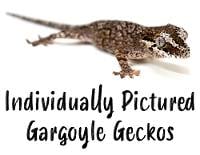
Gargoyle geckos (Rhacodactylus auriculatus) are native to southern New Caledonia, an island chain east of Australia. They are named for the bumps on their head which can appear to look like horns or ears.
Hardy and easy to care for, Gargoyle Geckos have become very successful in captivity and are widely available today.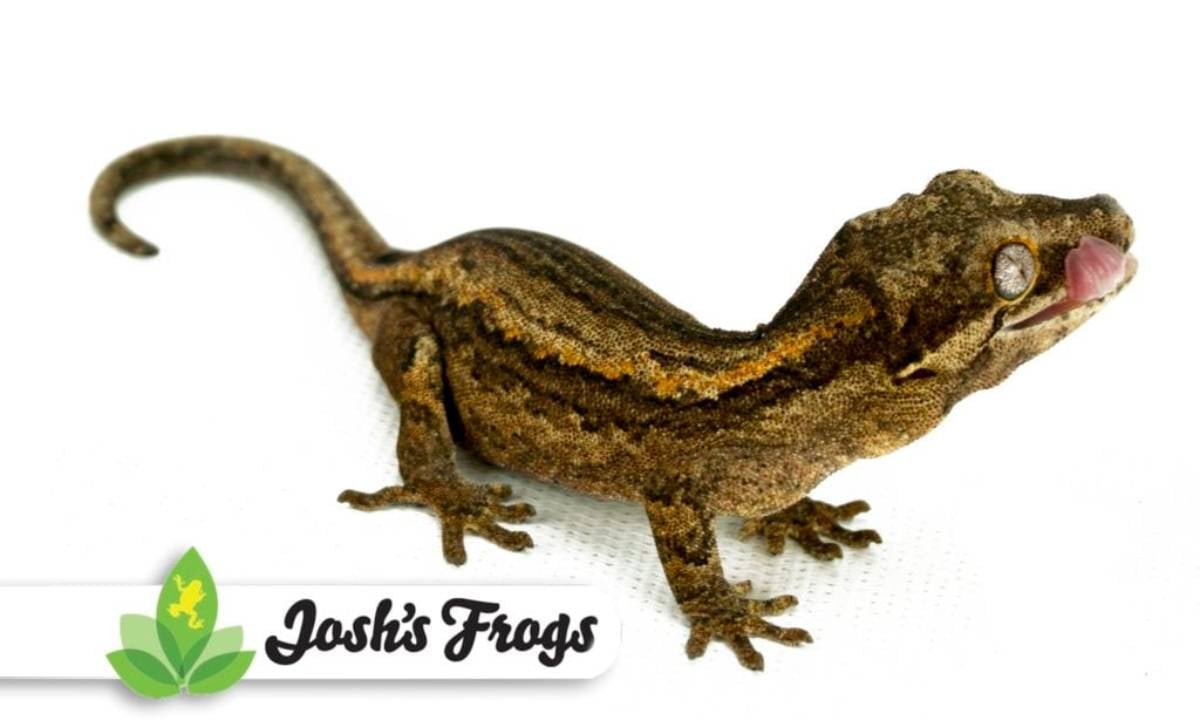
COLORATION
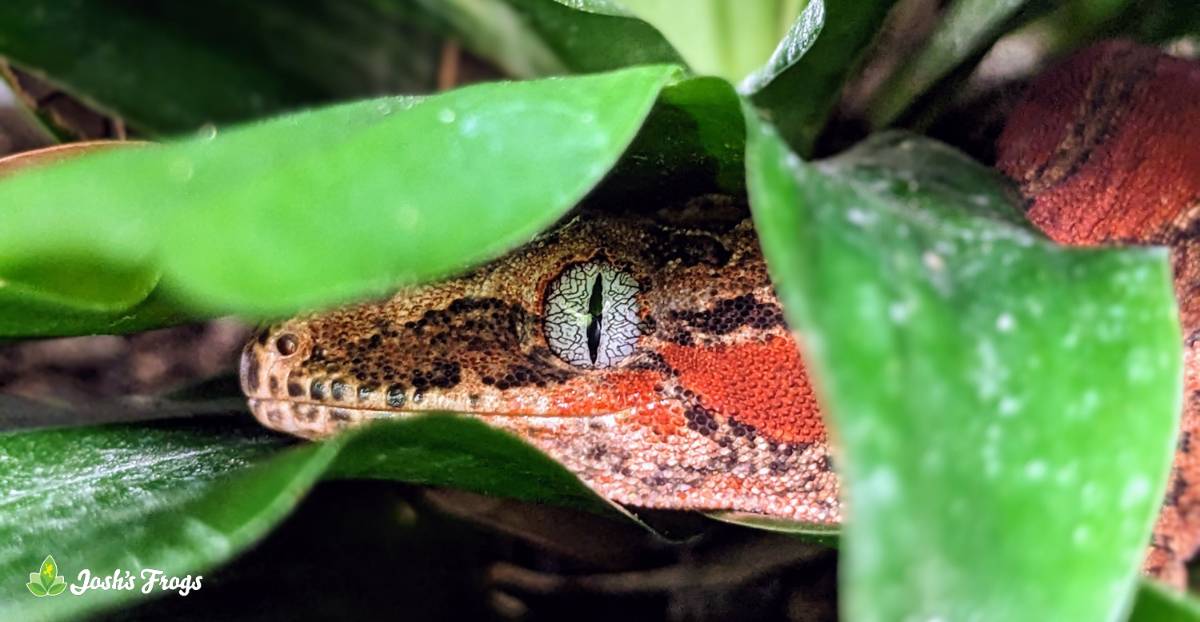
Gargoyle geckos come in a variety of colors and patterns. They come in shades of gray, brown, white, yellow, orange, and red. Patterns vary from individual to individual, but may include stripes, bands, and mottling.
HOUSING
An 18x18x24 terrarium is suitable for 1 adult, but there's nothing wrong with providing extra space.
BioBedding Tropical, ABG mix, or coco cradle work well as a substrate, and can be topped with leaf litter. If using a bioactive substrate, isopods and springtails are perfect clean-up crews! Provide branches, standing cork, or tall or hanging plants to make your arboreal geckos feel at home.
Live plants make a beautiful natural addition to your gecko's tank, but you can also use artificial plants for decoration.
For lighting, we recommend a VivTech Jungle Cover SurSun LED UVA/UVB bulb in a Zoo Med Nano Dome Lamp fixture.
Humidity plays an important role in making sure these geckos remain well hydrated and are able to shed their skin easily. Providing a reptile water bowl with clean water will ensure your gecko remains hydrated, and misting frequently with a quality hand mister will help keep their humidity at the ideal range of 60-70%. You can monitor these levels, as well as temperatures, with a digital thermometer/hygrometer.
SIZE and LONGEVITY
Gargoyle geckos can reach up to 7-9 inches as adults, tail included. In the wild, gargoyle geckos can lose their tail when feeling threatened, such as when being pursued by a predator. They can also lose them in captivity, but the tail will grow back over time.
Josh’s Frogs sells juveniles measuring about 4.5-5 inches. Provided proper care, these geckos can live up to 15-20 years in captivity!
DIET
Gargoyle geckos feed primarily on both fruit and insects in the wild. Pangea and Repashy fruit mixes offer a tailored and excellent staple for these geckos. Conveniently stored as a powder, it can be mixed with water and offered in a small plastic feeding cup.
In our experience, gargoyle geckos do not readily accept insects or other prey items like crested geckos. However, appropriately sized feeder insects, such as crickets, roaches, waxworms, black soldier fly larvae, and butterworms may be offered. All feeder insects should be dusted with a vitamin/mineral supplement and provided using an escape-proof bowl. Do not worry if your gecko does not accept any live feeders as long as it is feeding well on fruit mixes.
SEX
Sexing gargoyle geckos is a bit more difficult than sexing crested geckos, as both males and females can display bulges at the base of the tail. Male bulges will be larger, and males will also have femoral pores on scales between their hind legs.
Juveniles sold by Josh’s Frogs are not sexed.
BREEDING
Gargoyle geckos will breed from the beginning of December to August, during which females will lay 2 eggs every 30-45 days. Eggs will be buried in substrate, either on the bottom of the enclosure or in a lay box. It is recommended to remove males from the tank to allow females to recover after the breeding season.
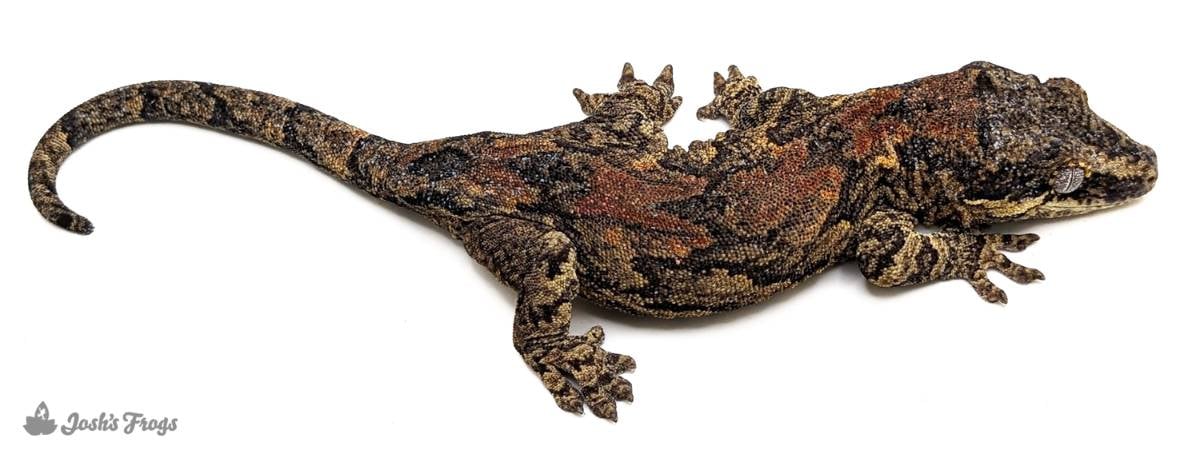
So, think gargoyle geckos are the right geckos for you? Hop on over to Josh’s Frogs! Chances are we have offspring for sale right now.
Our gargoyle geckos are fed fruit mix three times a week, so they’re growing well and are ready for their new homes! All gargoyle geckos were bred in-house, and are captive-bred from captive-bred parents. They’re all genetically diverse and descend from colorful bloodlines. They are produced by experienced herpetoculturists with over 10 years of combined experience with the genus and come with our best in the industry live arrival and health guarantee. If this gecko is for you, we are too!
Products in this Care Sheet

1-800-691-8178

Our Team
Josh's Frogs ©2020 - 2026 by Josh's Frogs, LLC.