

Josh's Frogs
Why you should buy from us
Arid Terrestrial Tarantula Care
Arid Terrestrial
Recommended Enclosure Size & Setup: This is a terrestrial species. Surface area of the enclosure should be no less than two times the spider's diagonal leg span in one direction and three times the diagonal leg span in the other. The enclosure should be tall enough to accommodate 2-3 inches of substrate for slings and 4+ inches for adults.
ABG mix, coco cradle, or Dig-It are good substrate options, but our Pet Bug Team prefers ABG all the way! We recommend against allowing your terrestrial spider more than two times their diagonal leg span as head space above their substrate as a fall from any higher could result in serious injury.
Temperature (°F): This species thrives in the mid 70s to low 80s. Temperatures regularly dipping below 65 degrees, or spiking above 85 degrees should be avoided.
Humidity: This species thrives in a dry environment, the recommended ambient humidity should stay between 15% and 40%. Spiderlings should be kept on lightly moist substrate, and adults with mostly dry substrate. The enclosure sides and decor should be spritzed at least lightly around 2x a week to provide your animal droplets to drink from, do not spray your spider directly. Depending on your location, you may need tools such as a humidifier to achieve this environment. A hygrometer is a great way to monitor the humidity for your animal and see any needed adjustments.
What do I Feed My Tarantula?
Crickets and roaches no bigger than the spider's carapace are great food choices. Babies should be fed every 4-7 days, and adults should be fed every 7-10 days. Do not feed your animal for at least 7 days after it molts. Any food not eaten after 24 hours should be removed from the enclosure, it may stress out your tarantula or start to mold.
To introduce your pet into its habitat, remove the moss from the vial gently with tongs. You can gently coax the spider out when it is exposed or remove the top layer of moss and place the vial in the enclosure allowing the spider to wander out. Your spiderling may be stressed from shipment and either curl its legs around its front or attempt to bolt.
Applicable Tarantulas:
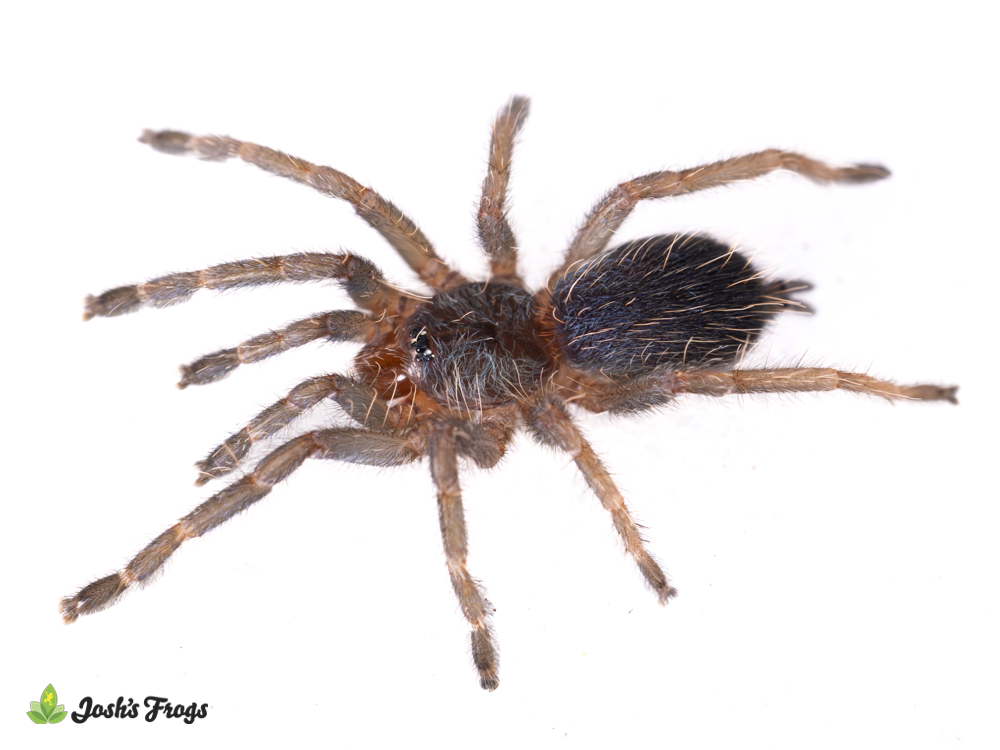
Arizona blonde, Brazilian Blue Dwarf Beauty, Golden blue leg baboon, Brazilian salmon pink birdeater
Products in this Care Sheet


1-800-691-8178

Our Team
Josh's Frogs ©2020 - 2026 by Josh's Frogs, LLC.