

Josh's Frogs
Why you should buy from us
The University of Notre Dame: Developing a New Treatment for Chytrid
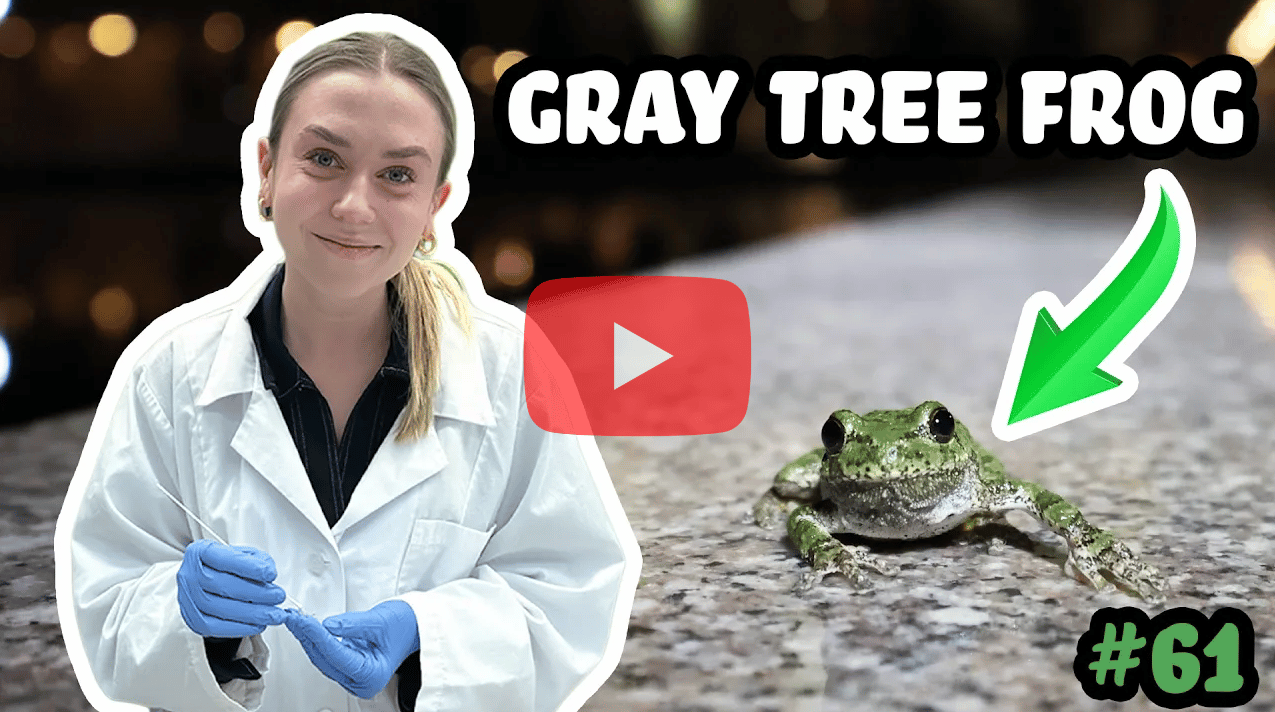
July 7, 2026 update: Gracie Joined Josh Willard on the Josh's Frogs Podcast to discuss this project! Click the image above to listen.
Josh's Frogs awarded a 2025 Amphibian Conservation Grant to a team at the University of Notre Dame's Rohr Laboratory for their project Developing a prophylactic treatment for the deadly chytrid fungus Batrachochytrium Dendrobatidis. To learn more we did a virtual interview with Gracie Hedgpeth, a PhD student involved in the project.
How specifically do you plan to use the grant money? Chytridiomycosis, caused by the aquatic fungal pathogen Batrachochytrium dendrobatidis (Bd), is a leading driver of global amphibian declines and extinctions. Our lab has created a safe, topical, and water-soluble treatment made from Bd’s own natural compounds that strengthens frogs’ immunity and has been shown to lower infection levels in the lab. This grant will allow us to test the treatment in natural settings for the first time, which will be an essential step towards real-world conservation applications.
What does winning this grant allow you to do that you might not have otherwise? This grant will provide the funds to purchase building materials to construct field enclosures needed to test our treatment in natural settings. Additionally, this grant will allow us to involve students in local chytrid surveys, creating new opportunities to participate in conservation research and, ultimately, cultivate a newfound love for amphibians.
When do you expect to see results from this? What are you hoping they look like? Our lab studies show that this treatment can lower infection levels and help frogs stay healthy even when exposed to chytrid. We hope to see the same encouraging results in our field experiment. If the treatment works in natural settings, it could become a scalable conservation tool for protecting wild amphibian populations. We expect to complete the project by Spring 2026.
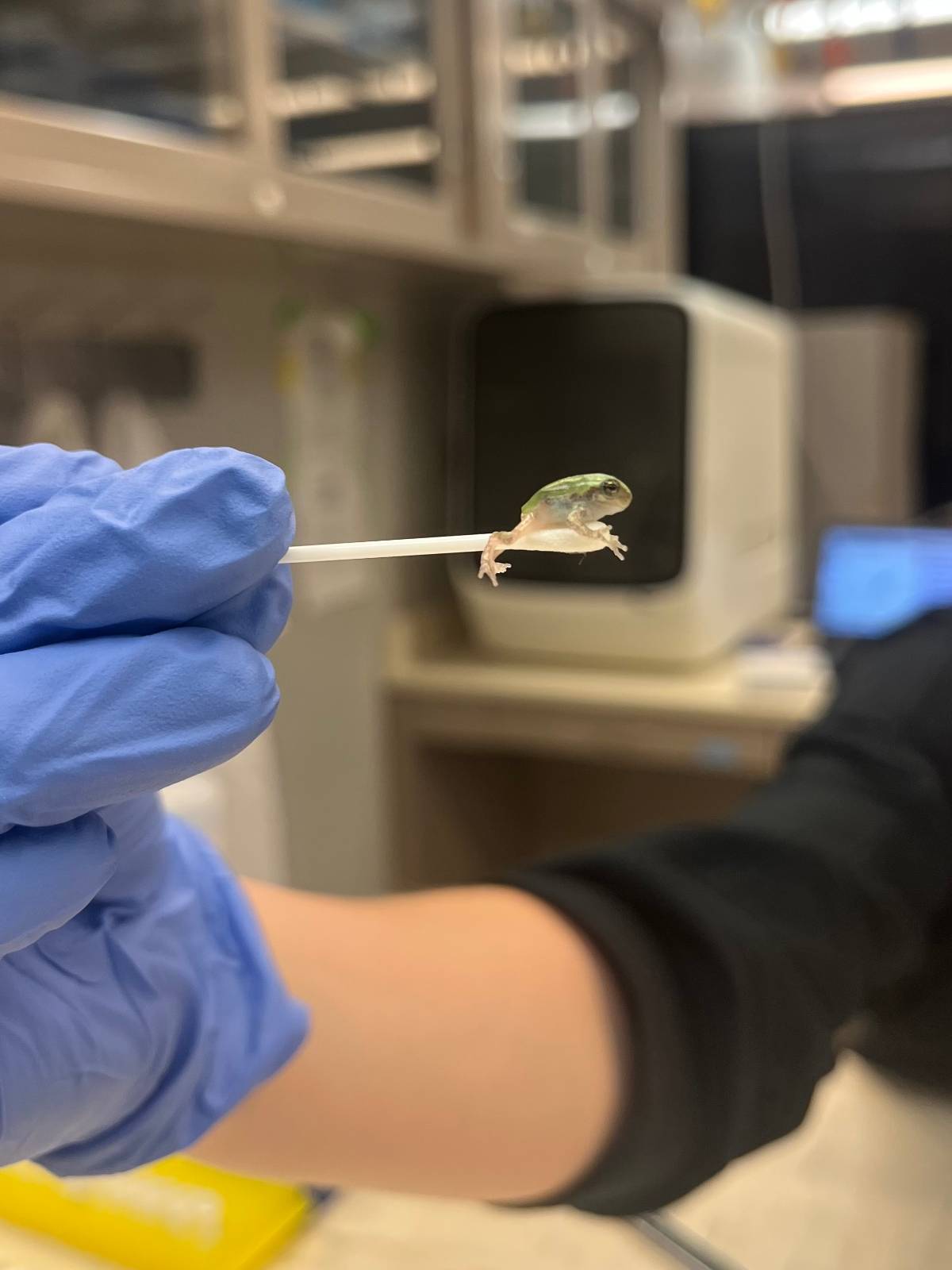
A very small Gray Tree Frog balancing atop a testing swab
How will this project impact amphibian conservation? In 2019, chytrid was implicated in the decline of at least 501 amphibian species, including 90 global extinctions, making it the most destructive wildlife pathogen ever recorded. However, very few tools exist to help protect frogs from this disease. Our project aims to change that by developing a practical treatment that could help struggling frog populations and protect those that haven’t yet been exposed.
What are the larger implications of your work? Protecting wild amphibians from disease not only supports amphibian health, but also helps ensure these vital species continue to play their key roles in aquatic and terrestrial ecosystems. As important indicator species, their presence, or absence, tells us a great deal about the overall health of the environments we share.
What message or information would you like to share with the reptile and amphibian pet community? Chytrid can spread easily when frogs or equipment move between ponds, so it’s essential to clean boots, nets, and gear before visiting a new site. A few minutes of decontamination can protect entire amphibian communities!
How would someone make a donation to your organization? You can support our research by using the donation button on our lab’s website. We’re always grateful for contributions that help advance amphibian conservation.
Where could someone learn more about your project? For more information, please go to our lab website and/or visit my profile page. Our work is also frequently profiled on the Notre Dame’s College of Science Instagram. See here for an example!
Anything else you want to share? Each May, we host “Frog Night” at Notre Dame, a community event where people can interact with frogs and learn about amphibian conservation. Your support helps us continue sharing science and inspiring future conservationists! Interested in this year’s Frog Night or our other science community events? Fill out this form to be added to our email mailing list!
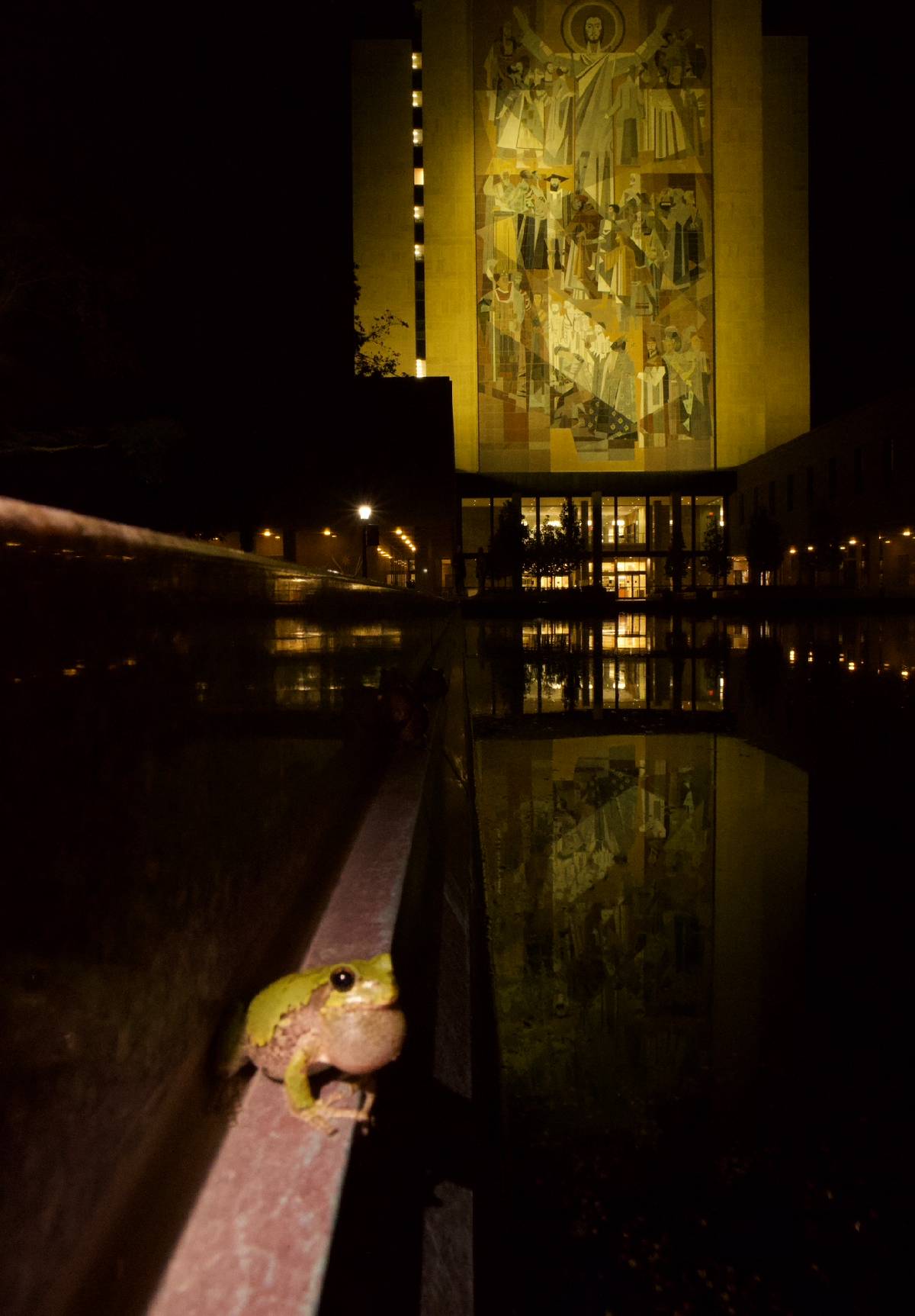
A Gray Tree Frog poses for a photo near the University of Notre Dame's library
Links of Interest
Topics in this Blog
1-800-691-8178

Our Team
Josh's Frogs ©2020 - 2026 by Josh's Frogs, LLC.