

Josh's Frogs
Why you should buy from us
What's the Deal with D3?
Maybe you’ve seen some supplements with or without “D3” in it. Or maybe you’ve read something about D3 when reading the description for an ultraviolet (UV) light. Whatever the case, D3 can seem like a foreign, confusing concept--but given its crucial role in reptile nutrition, it’s very important to understand what it is and how you can ensure that your reptile gets it.
 Evidence suggests that the ability for lizards to utilize D3 supplements versus an absolute need for UVB exists on a spectrum. Some breeders swear that their nocturnal lizards do a little better when supplied UV light during the day. On the other hand, most nocturnal lizards seem to do just fine when simply provided with a calcium supplement that contains vitamin D3. Day geckos, which are diurnal, can survive without UVB but appear to grow slower and to be less healthy and less colorful than those provided with UVB. Finally, other diurnal lizards, like bearded dragons and chameleons, absolutely require UVB lest they suffer serious health issues.
At Josh’s Frogs, we practice a simple philosophy: we provide
UVB
for all of our diurnal (active during day) lizards and supplement with calcium without D3, and our nocturnal (active at night) lizards receive D3 through supplementation. If you still want to provide a UV light for your nocturnal lizard, we recommend sticking to a low-intensity 2.0 bulb; otherwise, a calcium supplement containing vitamin D3 works great. Tropical diurnal lizards should be provided a 5.0 UVB bulb, and desert diurnal lizards should receive a 10.0 UVB bulb.
Evidence suggests that the ability for lizards to utilize D3 supplements versus an absolute need for UVB exists on a spectrum. Some breeders swear that their nocturnal lizards do a little better when supplied UV light during the day. On the other hand, most nocturnal lizards seem to do just fine when simply provided with a calcium supplement that contains vitamin D3. Day geckos, which are diurnal, can survive without UVB but appear to grow slower and to be less healthy and less colorful than those provided with UVB. Finally, other diurnal lizards, like bearded dragons and chameleons, absolutely require UVB lest they suffer serious health issues.
At Josh’s Frogs, we practice a simple philosophy: we provide
UVB
for all of our diurnal (active during day) lizards and supplement with calcium without D3, and our nocturnal (active at night) lizards receive D3 through supplementation. If you still want to provide a UV light for your nocturnal lizard, we recommend sticking to a low-intensity 2.0 bulb; otherwise, a calcium supplement containing vitamin D3 works great. Tropical diurnal lizards should be provided a 5.0 UVB bulb, and desert diurnal lizards should receive a 10.0 UVB bulb.
 Ensuring that your lizard can obtain vitamin D3--whether you give your nocturnal lizard a D3 supplement or low-intensity UVB, or provide your diurnal lizards the means to synthesize their own D3 with higher intensity UVB--is a relatively simple task compared with how absolutely necessary the vitamin is for its proper health.
The Downlow on D3
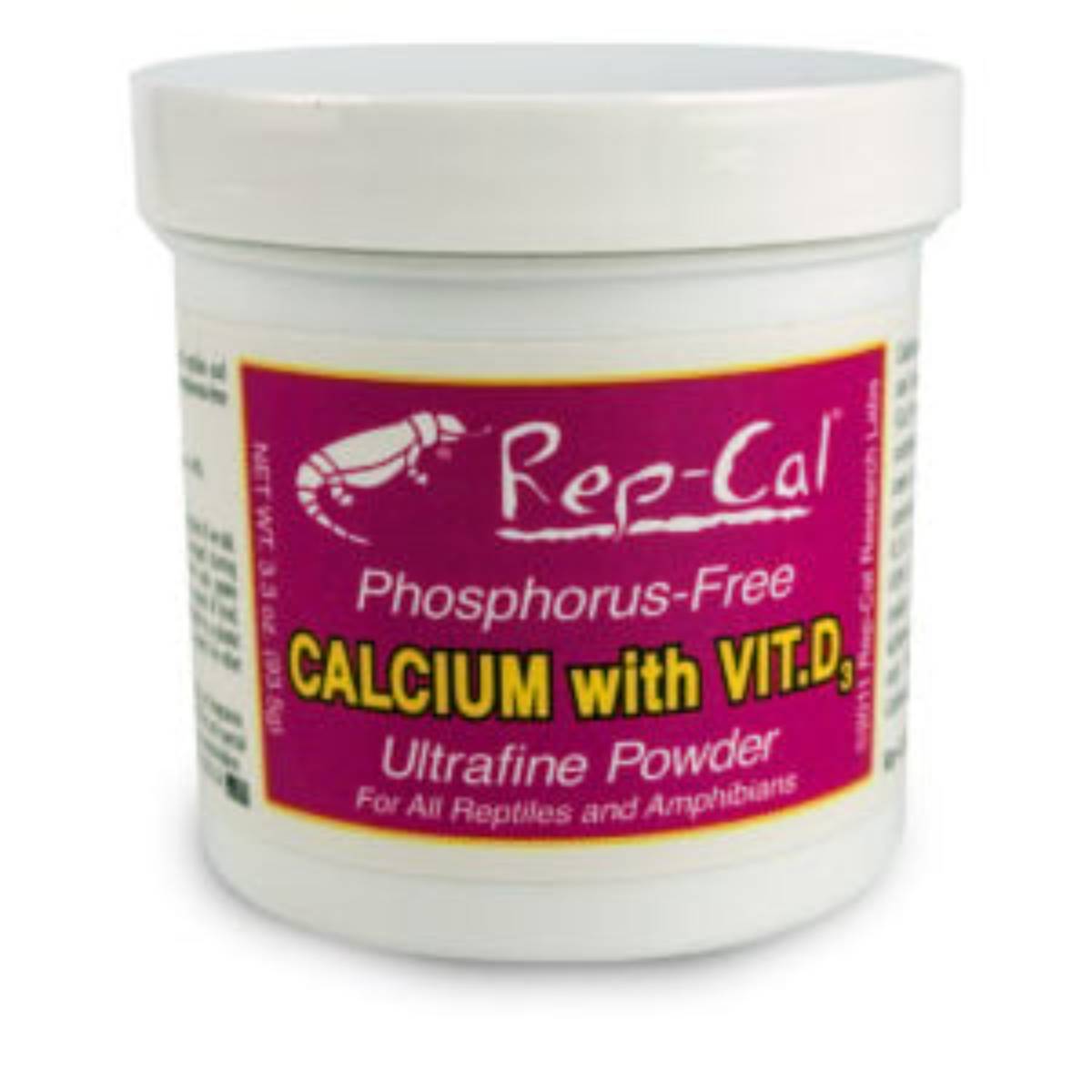
So what is D3? D3 is a vitamin, and a very vital one for lizards. Without vitamin D3, reptiles cannot use calcium, no matter how much of it is provided in their diet. This calcium deficiency leads to metabolic bone disease, which can cause a whole host of severe issues through poor bone formation. Lizards in the wild use ultraviolet rays from the sun to synthesize their own vitamin D3. For lizards in captivity, there are two ways vitamin D3 can be provided: through dietary supplements, or through providing UV light--specifically UVB . Commercially available D3 supplements, such as Rep-Cal’s Calcium with D3 , can be dusted onto feeder bugs. However, D3 supplements don’t work for all lizards. Whereas nocturnal lizards can be supplied D3 entirely through supplementation and no UVB, many diurnal lizards cannot use D3 supplements effectively and therefore need UVB light to synthesize the vitamin themselves.The UVB Need
Evidence suggests that the ability for lizards to utilize D3 supplements versus an absolute need for UVB exists on a spectrum. Some breeders swear that their nocturnal lizards do a little better when supplied UV light during the day. On the other hand, most nocturnal lizards seem to do just fine when simply provided with a calcium supplement that contains vitamin D3. Day geckos, which are diurnal, can survive without UVB but appear to grow slower and to be less healthy and less colorful than those provided with UVB. Finally, other diurnal lizards, like bearded dragons and chameleons, absolutely require UVB lest they suffer serious health issues.
At Josh’s Frogs, we practice a simple philosophy: we provide
UVB
for all of our diurnal (active during day) lizards and supplement with calcium without D3, and our nocturnal (active at night) lizards receive D3 through supplementation. If you still want to provide a UV light for your nocturnal lizard, we recommend sticking to a low-intensity 2.0 bulb; otherwise, a calcium supplement containing vitamin D3 works great. Tropical diurnal lizards should be provided a 5.0 UVB bulb, and desert diurnal lizards should receive a 10.0 UVB bulb.
Maintaining UVB Bulbs
For those who need or want to use a UVB-emitting bulb , it’s important to understand that the UVB emissions from these bulbs diminishes over time. Depending on the brand, these bulbs must be replaced every six to 12 months. Keep in mind that the UVB emissions are completely independent of the visible light emitted by these bulbs. Just because a UVB bulb is still shining as bright as the day it was turned on does not mean that it is emitting the same amount of UVB as it was on day one. Finally, because UVB cannot pass through surfaces like glass or plastic, it’s important that the UVB source is uninhibited and allowed to pass freely through a screen.
Ensuring that your lizard can obtain vitamin D3--whether you give your nocturnal lizard a D3 supplement or low-intensity UVB, or provide your diurnal lizards the means to synthesize their own D3 with higher intensity UVB--is a relatively simple task compared with how absolutely necessary the vitamin is for its proper health. Topics in this Blog
None
1-800-691-8178
Customer service agents are available
weekdays from 9am-6pm ET

Our Team
Josh's Frogs ©2020 - 2026 by Josh's Frogs, LLC.