

Josh's Frogs
Why you should buy from us
Microgeckos as Pets
Big personality, tiny lizards!
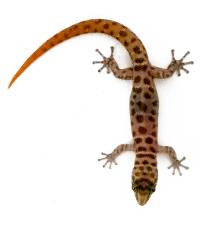
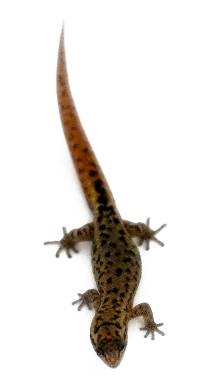
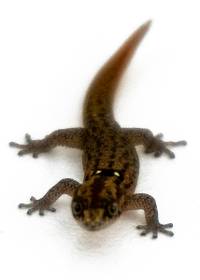
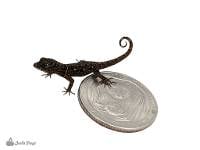
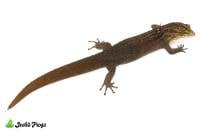
Geckos in the genus Sphaerodactylus and Gonatodes are tiny, with many species only reaching 2 to 3 inches as adults! Their small size and flighty nature make them poor candidates for handling, but for those looking for a beautiful gecko that is easy to care for and can be kept in a small setup, these geckos are perfect.

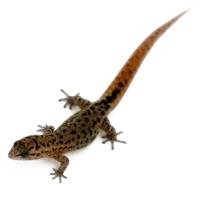
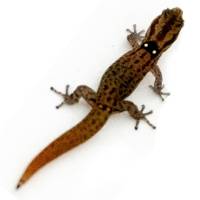
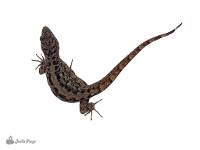
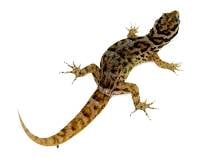
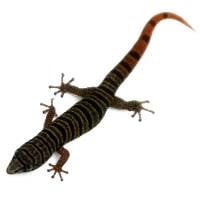
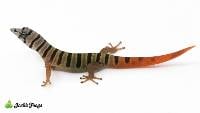
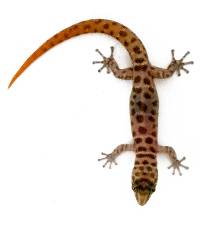
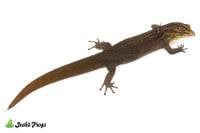
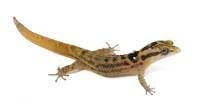
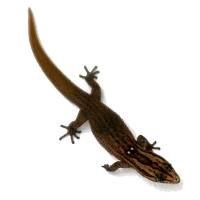
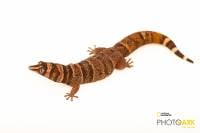
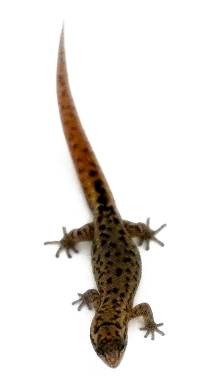
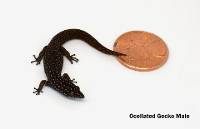
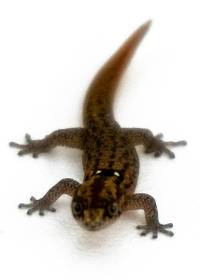
One of the stand-out characteristics of microgeckos is their coloration and patterns, which can vary drastically from one species to the next. We love the conspicuous eyespots behind the head of the eyespot dwarf gecko (Sphaerodactylus difficilis diolenius), the stripes on ashy geckos (Sphaerodactylus elegans), and the spottiness of ocellated geckos (Sphaerodactylus argus) and island least geckos (Sphaerodactylus sputator).
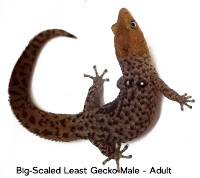
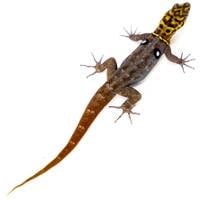
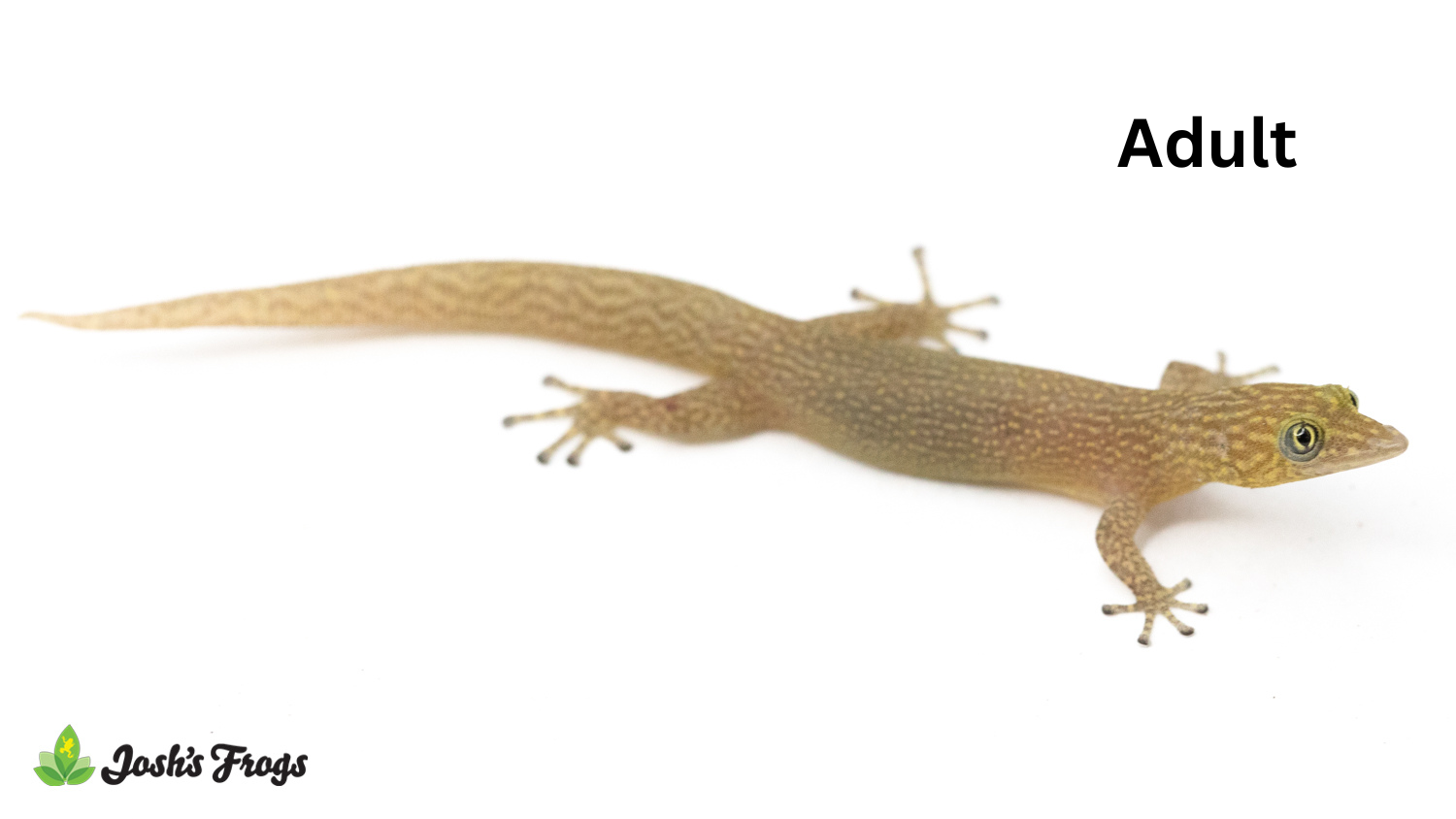
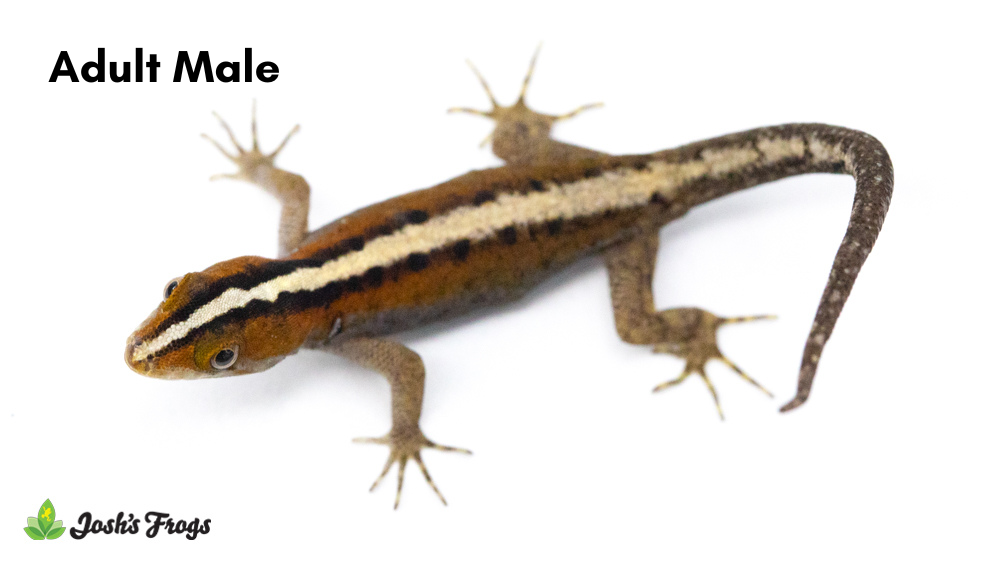
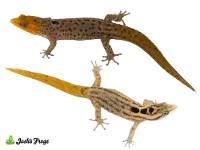
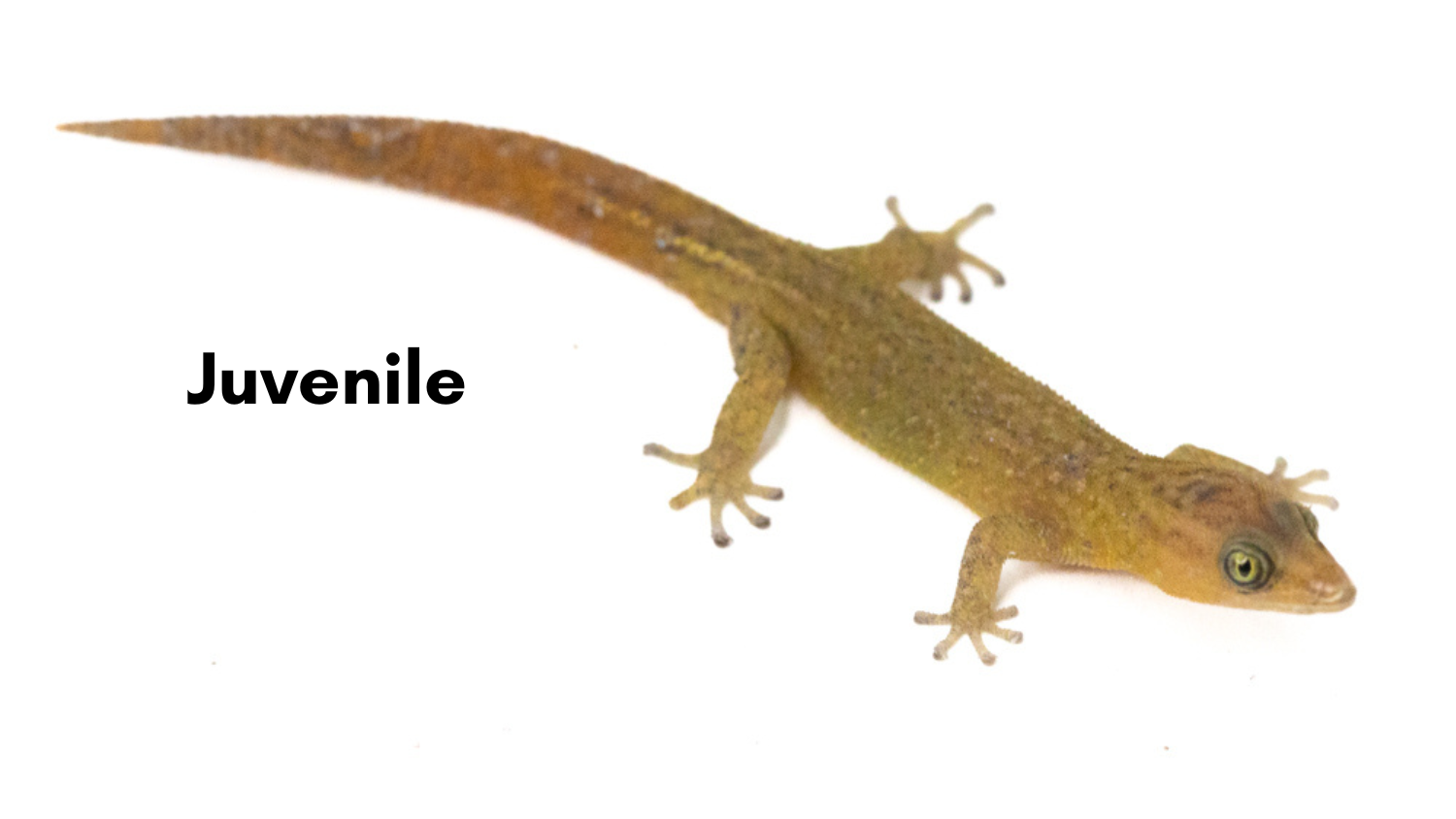
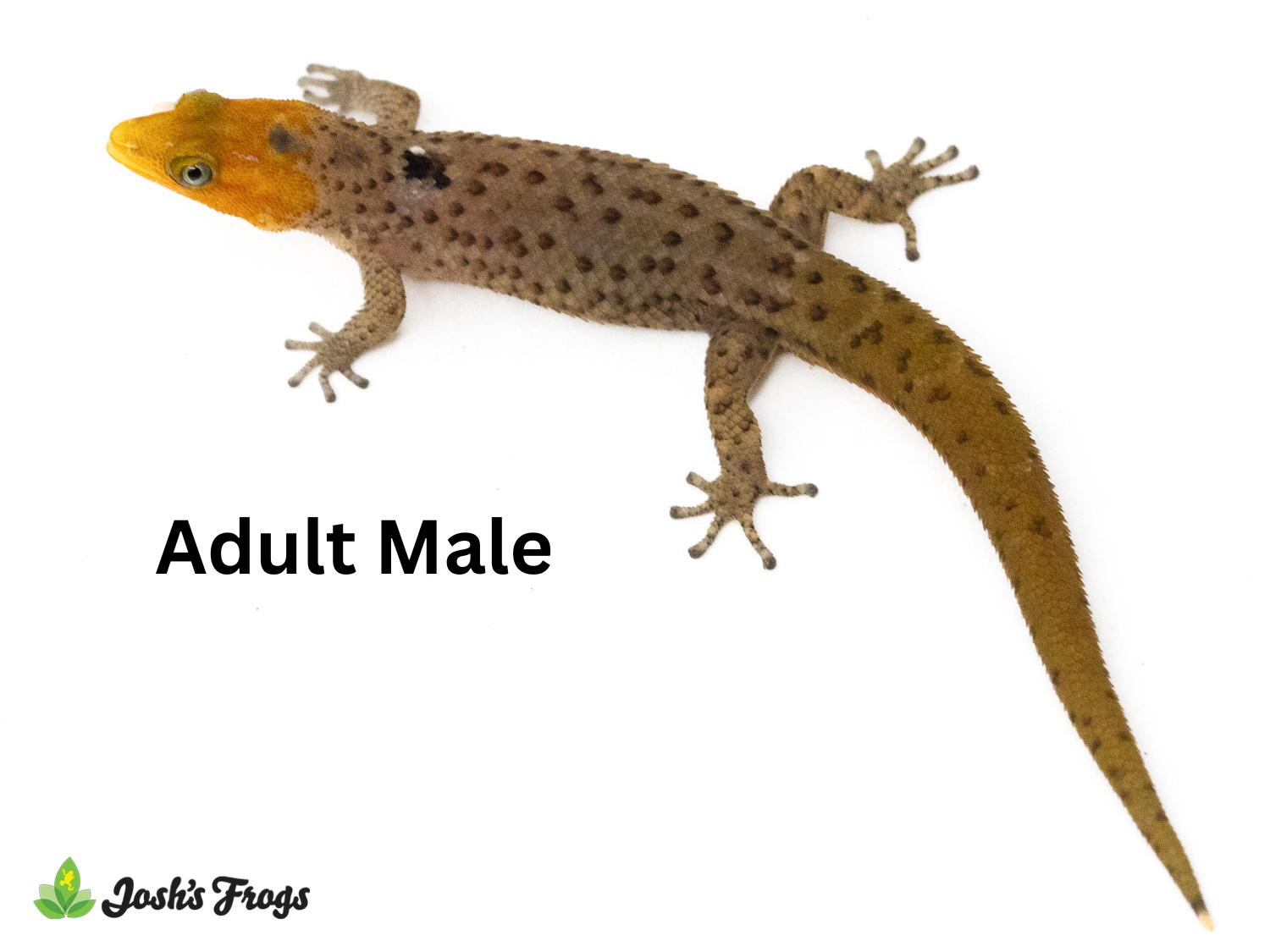
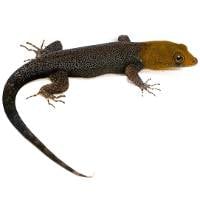
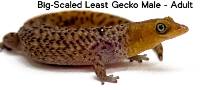
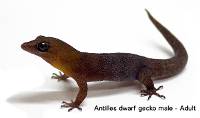
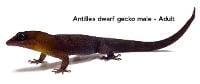
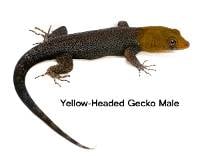
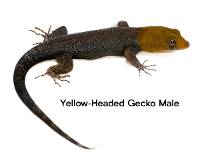
Most microgecko species also exhibit what’s called sexual dimorphism, meaning males and females are visually different. In many species, juveniles and females look similar, whereas males are more brightly colored. For example, the males of big-scaled least geckos (Sphaerodactylus grandisquamis) and Antilles dwarf geckos (Gonatodes antillensis) have bright yellow heads, and the male Wiegmann’s striped gecko (Gonatodes vittatus) has a remarkable white line down the length of its body. For their small size, these little geckos sure pack a punch with their patterns, colors, and variety.
Besides their attractive varieties, the best part about keeping microgeckos is their small size, making them the perfect desk pet. Microgeckos are best kept alone or in a single pair. 1 or 2 can be housed in a 12x12x12 enclosure--this allows more flexibility with plants and cage décor, and if any lighting source is used, a heat gradient will be formed instead of warming up the entire enclosure too much.
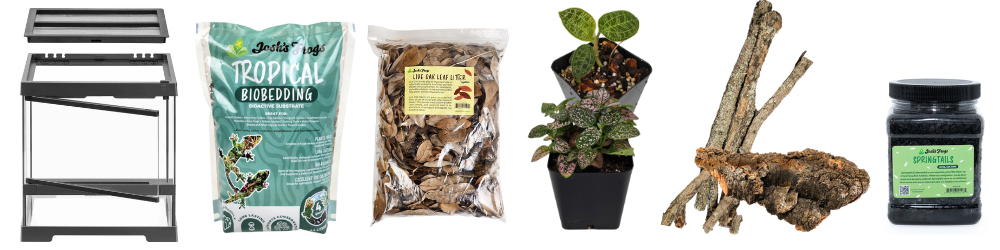
Not only does a small enclosure cost less, but the fewer materials needed for even an elaborate enclosure help keep initial setup costs low. Large setups for larger animals require multiple bags of substrate, large pieces of cork and branches, numerous plants, and so forth, all of which can add up to a hefty price tag. The small enclosure well-suited for a microgecko needs a lot less to reach the same results: a single bag of substrate, a bag of live oak leaves, a couple pieces of cork or branches, and a plant or 2 will go a long way!
For those interested in making their microgecko setup bioactive, a bag of BioBedding, a single springtail culture, and isopods are all that’s needed—just be sure to keep your substrate from drying out completely. If you're looking to make housing a bit easier, check out our microgecko complete kits!
It’s important that you give your microgecko plenty of security by providing numerous hiding spots. You might think that a busy enclosure and a tiny animal means you’ll never see your pet, but microgeckos that are feeling secure are more likely to be out and about. Most are diurnal, and all of them are inquisitive, active hunters. Given time to get used to their new home, you’ll often see them moving about their enclosure throughout the day or peeking at you from the side of a leaf or piece of bark!
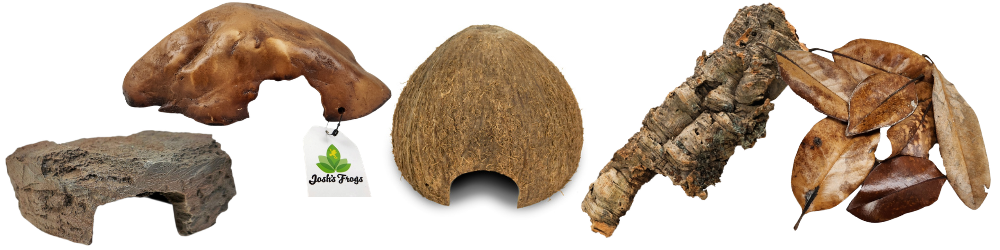
Another common worry among new keepers is the risk that microgeckos will escape from their enclosure. To prevent this, be sure to close off even small gaps from which the geckos can escape. For Exo Terra enclosures, we use 2 steps to “escape-proof” our enclosures: first, silicone is applied to the top rim to seal the lid and then cover any gaps from the other side; second, pieces of Pond Wall foam are stuffed into the front ventilation to prevent any tiny microgecko hatchlings from escaping through the vents!
In addition to keeping the enclosure secure, we recommend against handling these geckos; their small size makes them fragile, and, if not careful, their flighty nature makes them easy to lose. That said, as long as they’re kept well, microgeckos will live a completely content life in their enclosure with little outside interaction from their owner.
Perhaps the biggest challenge of keeping such a small lizard is feeding them—small insectivores need small bugs! Fortunately, we supply all of the feeders your microgecko will need: our history of working with dart frogs has allowed us to specialize in fruit flies, which provide a good staple diet for microgeckos, and are also easy to culture at home! Microgeckos also love pinhead and 1/8 inch crickets, and for those using a bioactive setup, small isopods and springtails offer an additional snack! Because their small size limits the variety of insects that can be offered, remember to supplement and gutload your feeders!
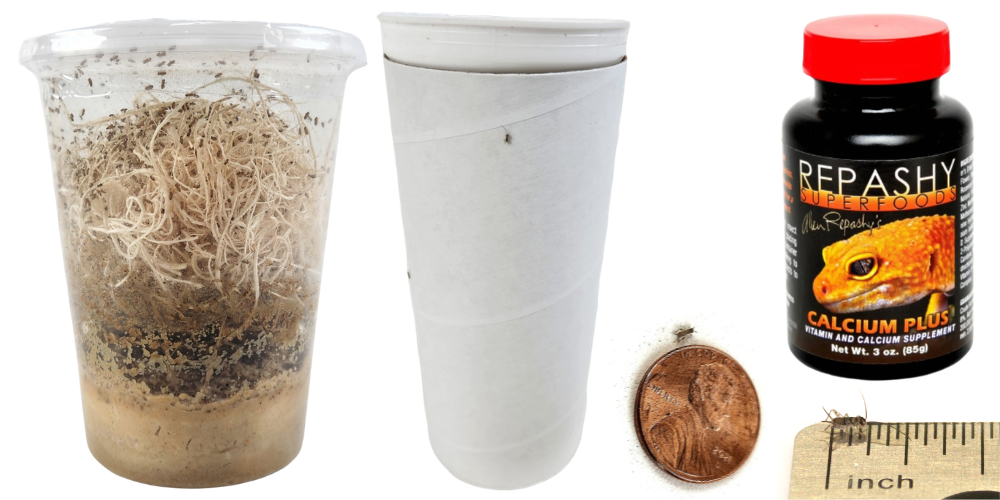
Otherwise, keeping microgeckos isn’t difficult. Most species are best kept between 75-80°F and won’t need any special heating or lighting if kept in that range. They’ll need humidity between 55-65%, which can be achieved with daily misting. If you’re interested in taking the next step, be sure to read our care blogs about the particular species’ care for not only more detailed information but to learn the nuances of each species--the yellow-tailed dwarf gecko (Sphaerodactylus dimorphicus), for example, likes it more humid than other microgeckos, and the Antilles dwarf gecko (Gonatodes antillensis) enjoys an enclosure on the warmer side.
Products in this Blog

1-800-691-8178

Our Team
Josh's Frogs ©2020 - 2026 by Josh's Frogs, LLC.