

Josh's Frogs
Why you should buy from us
Sylvia’s Fringe Leaf Frogs: Rare Jewels of Panama
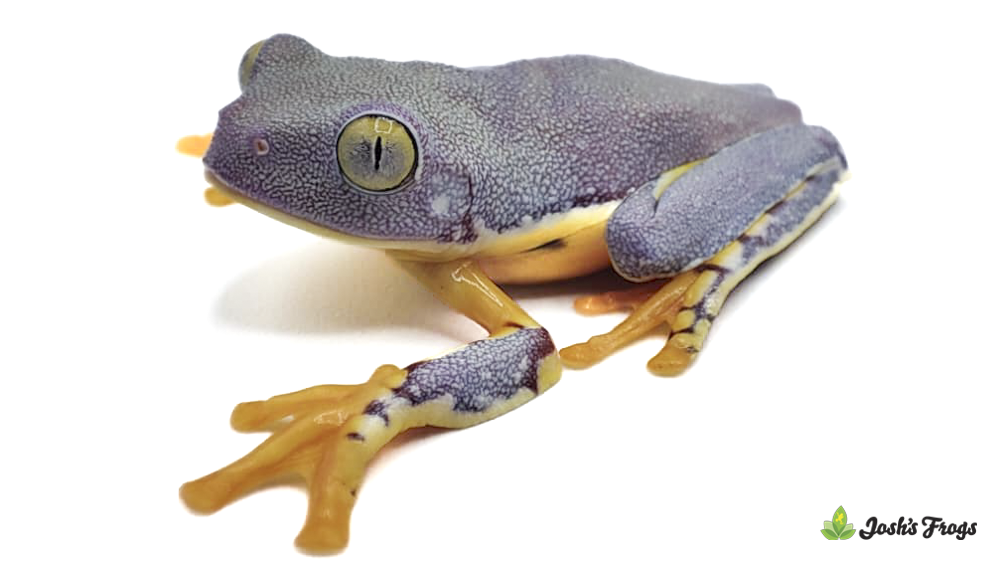
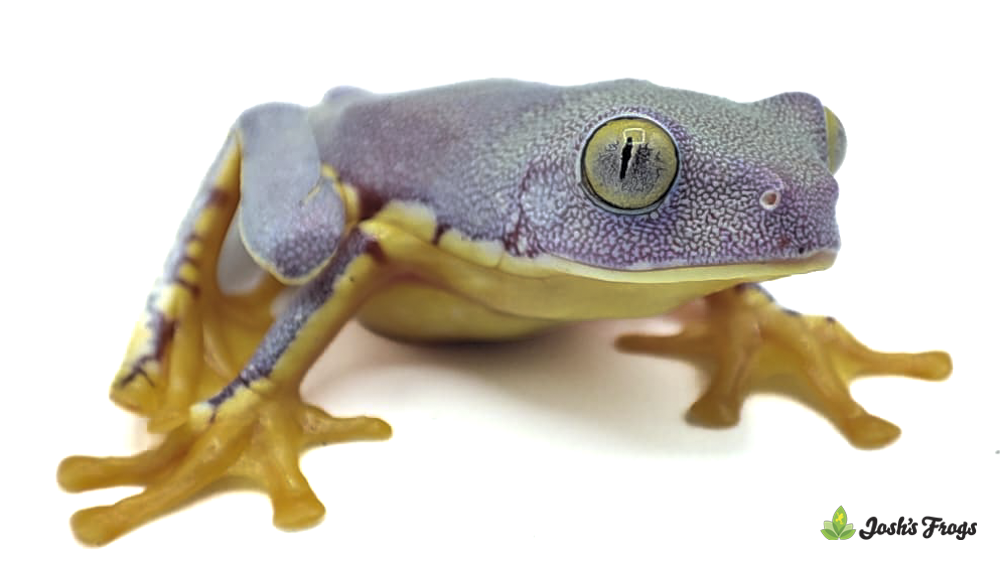
Sylvia’s Fringe Leaf Frogs, Cruziohyla sylviae, also known as Sylvia’s Fringed Tree Frogs and simply Sylvia’s Tree Frogs, have been in the hobby for quite some time. Once confused with Cruziohyla calcarifer, this species was split into its own taxon in 2018. Most captive-bred stock in the U.S. and E.U. can be traced back to imports from Costa Rica as Cruziohyla calcarifer before 2018. Costa Rica banned animal exports in 2012, which means that legally-imported lines date back to more than a decade ago. This has just changed, as Josh’s Frogs now has a new line from Panama available.
What makes this new line remarkable?
Contrary to Costa Rican populations, C. sylviae are extremely rare in Panama. It is a species that is rarely seen in the wild in Panama. This is due to its arboreal nature; individuals live high above in the canopy and are rarely found in the lower levels. They use water-filled holes in trees to breed, so they really don’t need to find temporary pools in the lower areas of the forest. It took more than 5 years of intensive search to collect and establish the first founder population at Natural Tanks. Seeing bona fide, legally-sourced Panamanian lines in the hobby is new and noteworthy compared with the legacy Costa Rican lines.
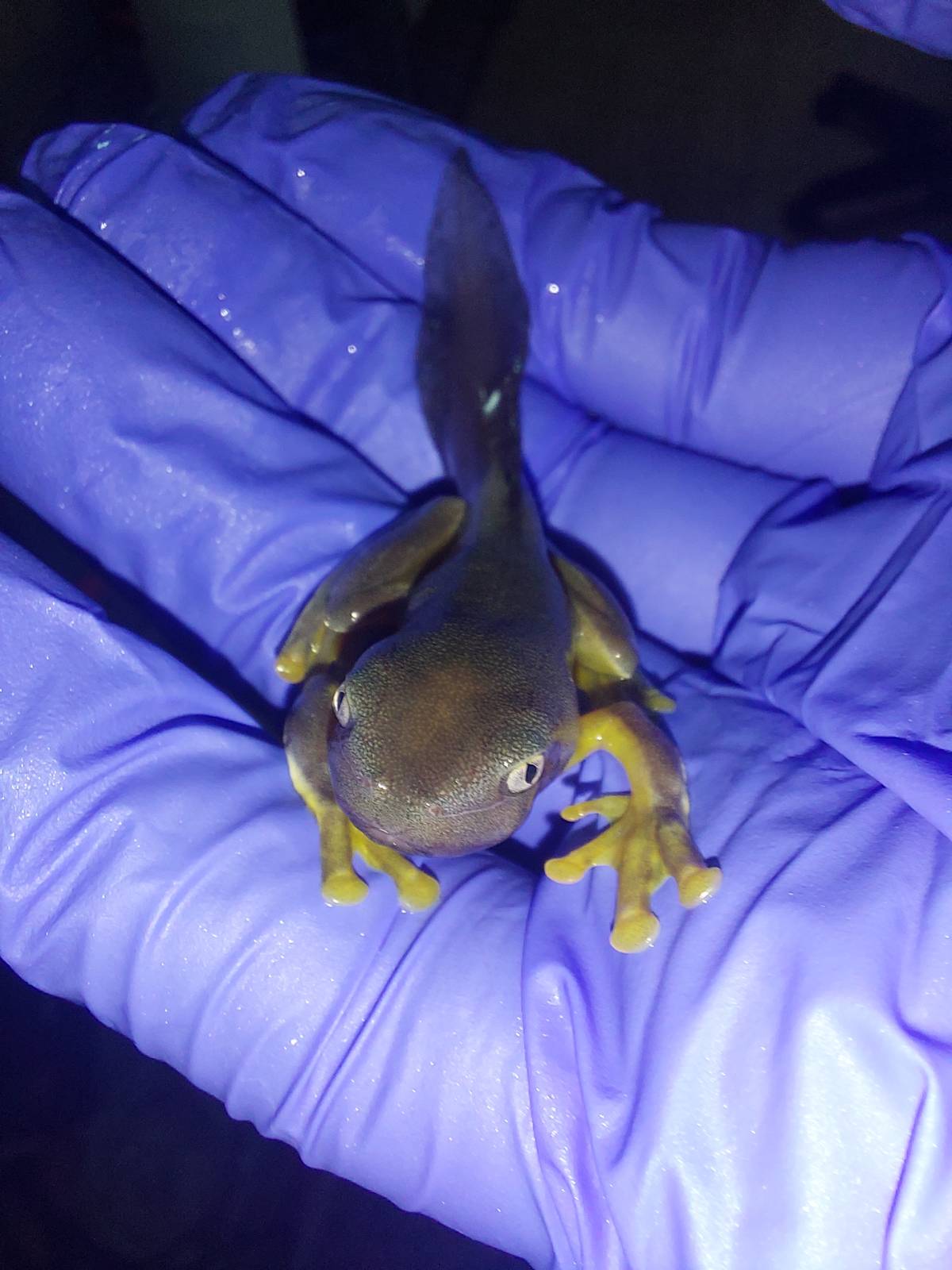
Cruziohyla Sylviae metamorph. Photo credit: Sam Sucre
The proceeds of this captive breeding project in Panama are being used to produce peer-reviewed research. Last year Natural Tanks published an article in the journal Reptiles & Amphibians covering the captive husbandry, breeding and natural history of this species. This new data is essential for conservation projects and breeders as it provides information that can benefit endangered species with similar requirements and habits as C. sylviae.
You can support Natural Tanks conservation work by purchasing their captive-bred C. sylviae from Josh’s Frogs. Learn more about their work and this fascinating species in the links below!
Further Reading
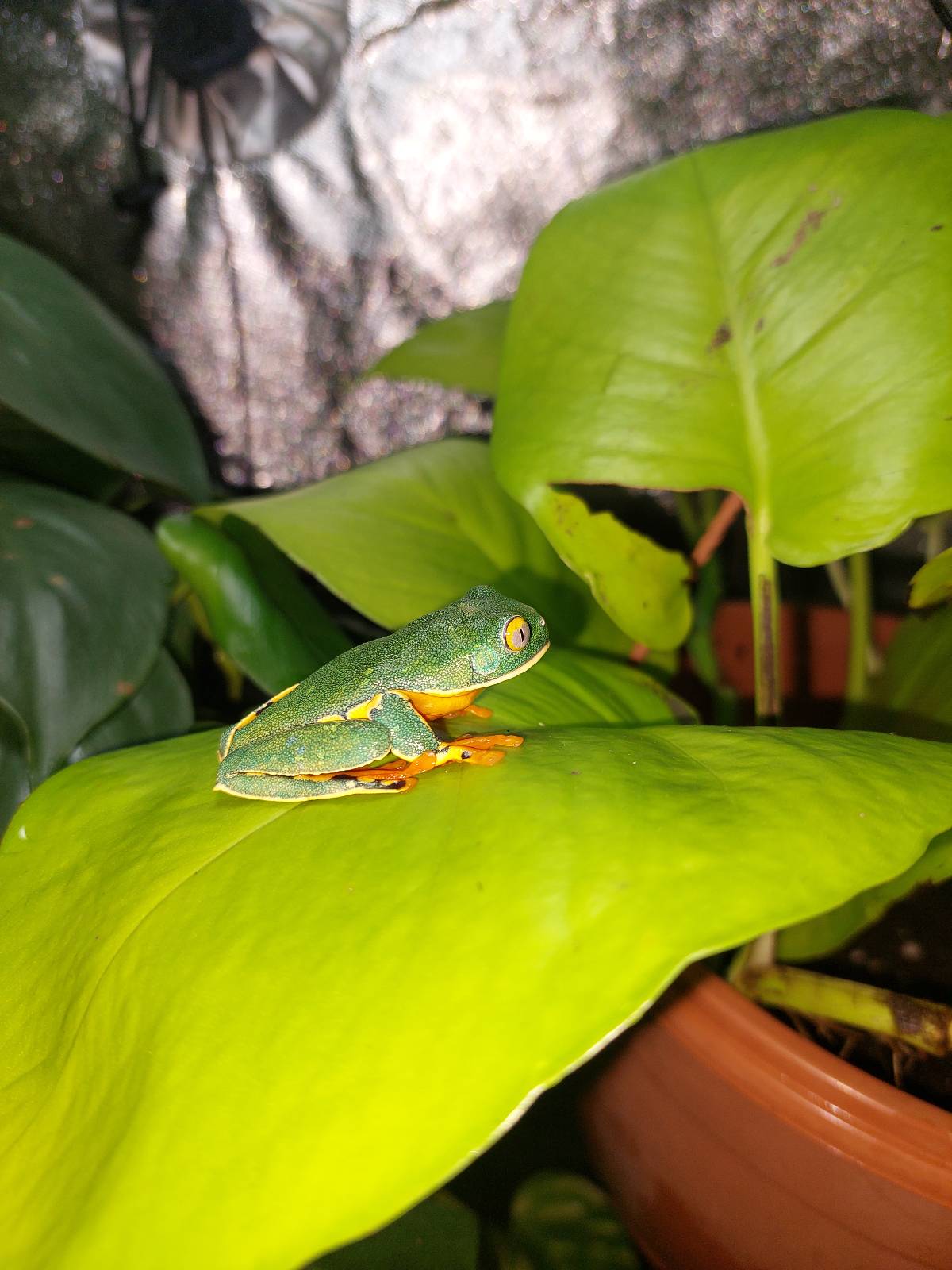
Photo credit: Sam Sucre
Topics in this Blog
Products in this Blog
1-800-691-8178

Our Team
Josh's Frogs ©2020 - 2026 by Josh's Frogs, LLC.