

Josh's Frogs
Why you should buy from us
Nepal Conservation and Research Center: Conserving the Mahabharat Torrent Frog
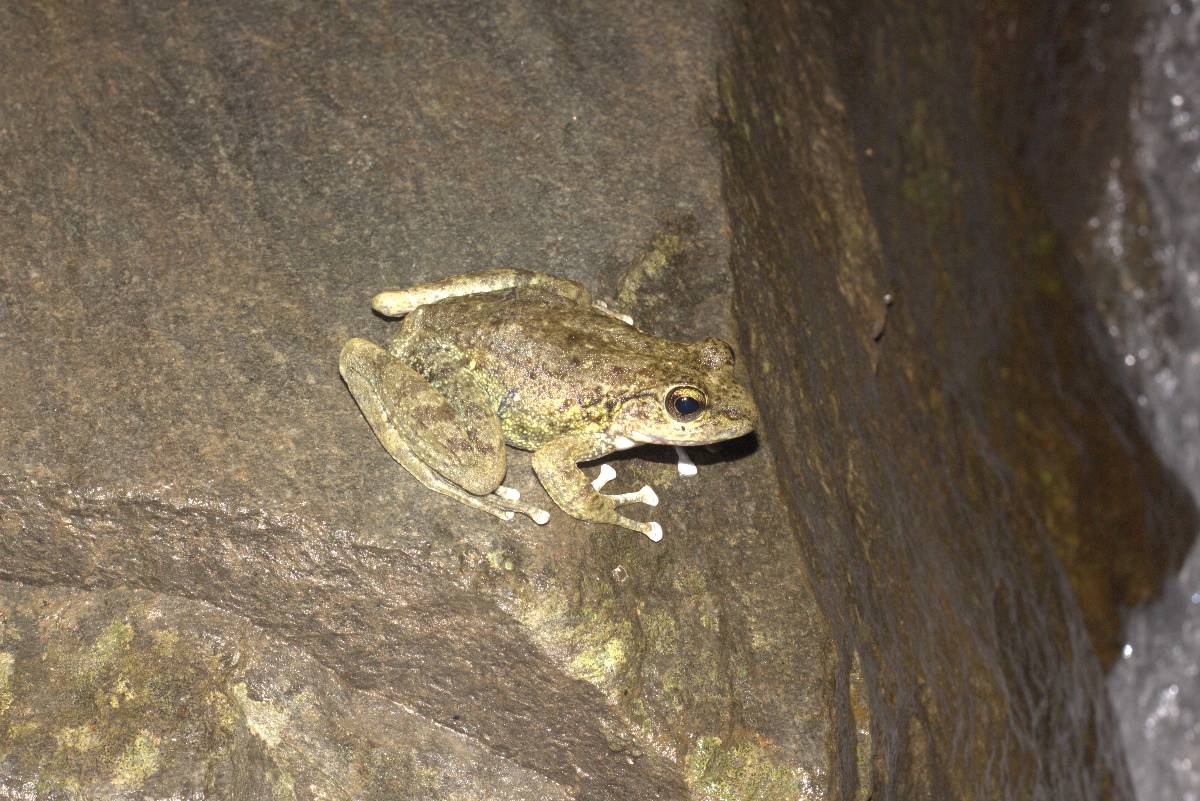
Mahabharat Torrent Frog, Amolops mahabharatensis. Photo by Bishal Prasad Neupane.
March 2026 Update: Bishal Neupane recently shared some photos from an educational event at Tribhuvan University in Kathmandu, where he shared his knowledge of Nepal's Mountain Frogs with students and young researchers. We're very proud to support his ongoing work to inspire the next generation of amphibian conservationists!


Josh's Frogs awarded a 2025 Amphibian Conservation Grant to Nepal Conservation and Research Center (NCRC) for their project Conservation Awareness of Mahabharat Torrent Frog in Palpa and Gulmi Districts of Nepal. To learn more about this project, we did a virtual interview with NCRC Research Fellow Bishal Prasad Neupane.
How specifically do you plan to use the grant money? The grant money will be used to conduct the outreach sessions in the school and communities in Palpa and Gulmi districts of Nepal about the vulnerable Mahabharat Torrent Frog (Amolops mahabharatensis). We will also design and print about 1000 copies of a conservation poster with good illustrative photos of Mahabharat Torrent Frog, threats faced by them, and Conservation measures related to them.
What does winning this grant allow you to do that you might not have otherwise? Anurans are not listed as priority species for conservation, for which they lack funding in Nepal. Due to this, people have no or little knowledge on frogs. In many parts of Nepal people still consider them poisonous, and this is due to lack of knowledge. This reason fuels people to kill them due to fear. Along with this, in the mountainous part of Nepal people eat frogs as a delicacy and for medicinal values. Mainly they eat stream frogs, which are locally called "Paha." So, winning this grant helps us share knowledge to a wider audience and raise awareness about the frogs, as well as reduce the pressure of hunting for such threatened species.
When do you expect to see results from this? What are you hoping they look like? We expect to see the result by the middle of 2026, after sharing knowledge about frogs to them as well as listening from them. From this project we want to target young minds for the conservation of such threatened species by motivating them for amphibian conservation, and sharing the ecosystem benefits for humans that frogs provide. I hope we will also change the perception of the youth and local communities about frogs, the pressure of frog hunting as well as benefits of frog protection.
How will this project impact amphibian conservation? Mahabharat Torrent Frog (Amolops mahabharatensis) is listed as Vulnerable species (VU) by International Union For Conservation of Nature (IUCN). Since they are harvested in large quantities, the population of this species may be wiped out. So, we aim to reduce the pressure of hunting faced by this frog from egg to the adult stage by motivating local youths, students, and communities to reduce the practice of unsustainable harvesting. Such work will help to reduce the pressure on this species and conserve it in the long run.
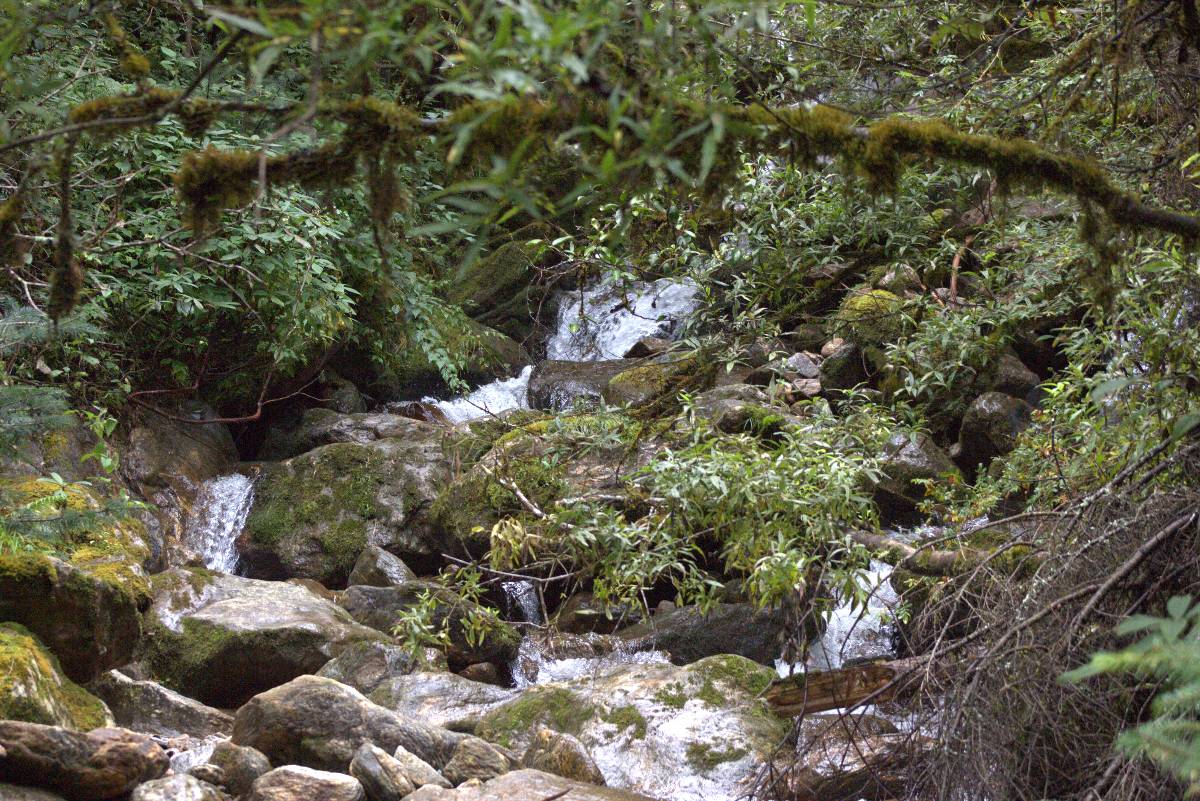
The habitat of the Mahabharat Torrent Frog. Photo by Bishal Prasad Neupane.
What are the larger implications of your work? The larger implication of our work is to stabilize its population in its natural habitat. Also, it will motivate people to preserve the fresh water sources like streams, waterfalls, and wetlands, resulting in the conservation of other water-dependent organisms. We want to inform people that protection of this threatened species not only conserves them but also protects our environment, as frogs are indicators of a healthy ecosystem.
What message or information would you like to share with the reptile and amphibian pet community? For the reptile and amphibian pet community we want to say that wild populations should always be conserved. Pay big attention to them and fund their study, since 41% of amphibians are threatened with extinction globally. This is due to lack of study and the conservation focus is only for large mammals, so their ecology is less understood by the people. Thus, there should be regular support from herpetofauna pet community for long-term preservation of wild/source populations of amphibians and reptiles.
How would someone make a donation to your organization? Anyone can make a donation to our organizations by visiting our website ncrc.com.np. We have done a lot of conservation work for amphibians and reptiles in Nepal. If you wish, you can support any of our projects listed in the project section so that we can work and generate more information on such lesser known species. You can also contact me directly for the coordination if you want to donate.
Where could someone learn more about your project? Our project will be updated from Facebook group for herpetofauna in Nepal which is called herpsNEPAL. Also, for more updates you can visit our organization website (https://ncrc.com.np). Moreover, the results of our work will be published as report, scientific journals, blogs.
Anything else you want to share? I would like to thank Josh’s Frogs for supporting the funding on lesser-known species like anurans. I hope for the continuous support from your side and would like to replicate this model of conservation awareness to all the 77 districts of Nepal.
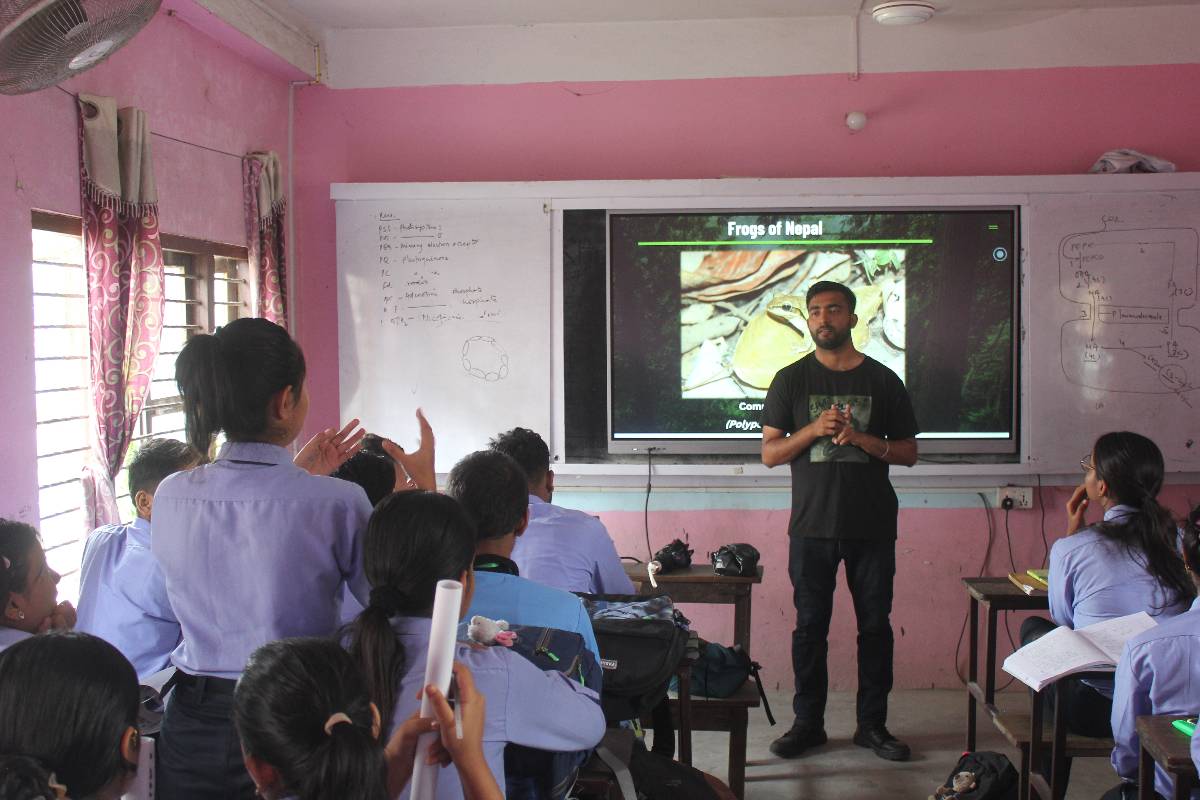
Bishal Prasad Neupane gives a presentation about the frogs of Nepal to local schoolchildren.
Topics in this Blog
1-800-691-8178

Our Team
Josh's Frogs ©2020 - 2026 by Josh's Frogs, LLC.